
Energy Infrastructure
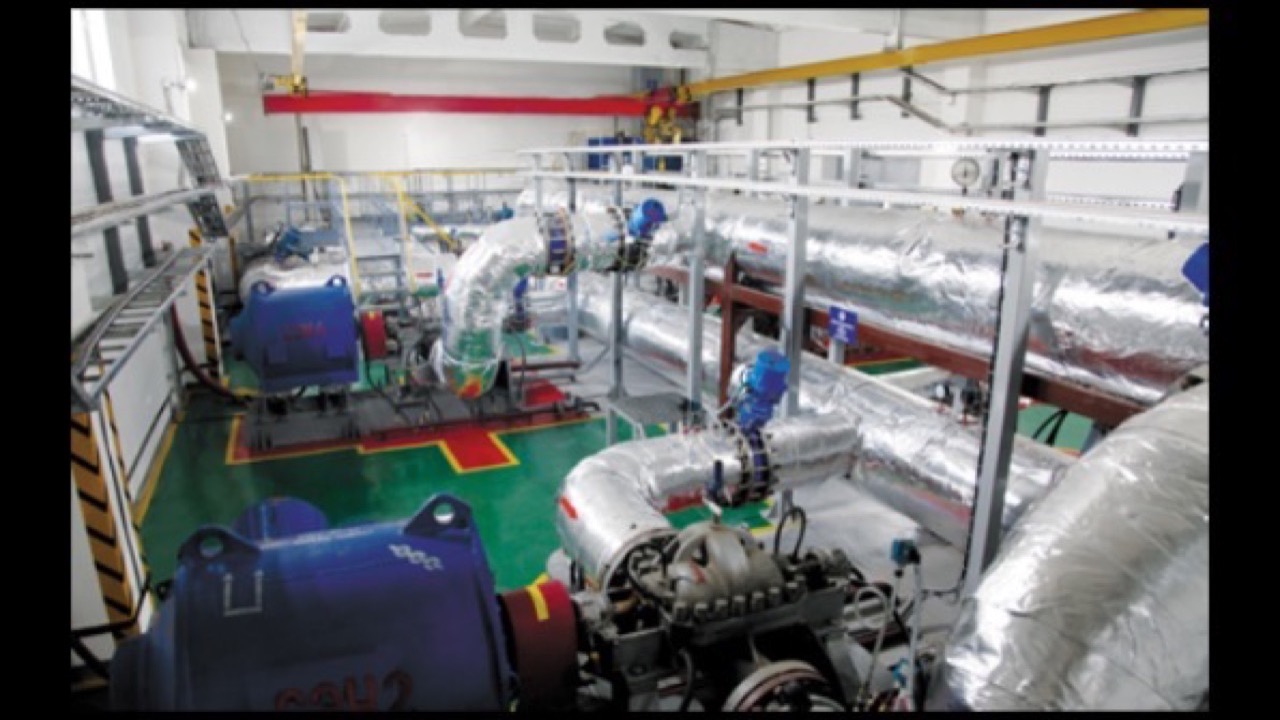
Pump Station Heat Network Upgrade - Reliable Heat Distribution System
Engineered depressurization pump station delivering reliable, safe, and energy-efficient heat carrier transport for regional distribution networks.
- Sector
- Energy Infrastructure
- Service
- Design & Implementation
- Year
- 2025-2026
- Location
- Blagoveshchensk, Russia
- Published
- 2026-09-20
- Updated
- 2026-10-03
Challenge: Heat Carrier Reliability in Regional Distribution
A major regional heat distribution network faced a critical infrastructure problem: aging pump stations created operational bottlenecks that threatened heat carrier transport reliability from the central source to hundreds of residential and industrial consumers. The existing system generated unacceptable pressure fluctuations, creating safety hazards, energy waste, and maintenance emergencies that disrupted service continuity during peak heating seasons.
The operator needed more than a temporary fix. They required a modern, engineered solution that would stabilize pressure across the entire distribution network, reduce operational strain on aging infrastructure, and position the system for future expansion while eliminating emergency repairs that cost thousands monthly.
Solution: Depressurization Pump Station Engineering
Alan Apire designed and implemented a comprehensive depressurization pump station upgrade that serves as the backbone of the entire heat distribution system. The solution addresses three critical functions:
Pressure Stabilization - The depressurization system maintains optimal carrier pressure across varying demand cycles, preventing spikes that damage pipes and equipment while ensuring adequate flow during peak consumption hours.
Flow Rate Optimization - Advanced hydraulic engineering reduces resistance losses throughout the network, improving energy efficiency and lowering the cost of heat transport by decreasing the energy required to move carrier fluid.
System Safety - By eliminating pressure surges and thermal shock events, the upgrade protects downstream equipment, reduces burst risks in aging metal pipe segments, and creates a stable operating environment for the entire distribution network.
Our approach combined meticulous system modeling, field assessment of existing infrastructure constraints, and precise pump station configuration. We selected equipment and control systems calibrated to the network’s specific thermal and hydraulic characteristics, ensuring compatibility with future infrastructure improvements.
Results: Operational Excellence and Cost Reduction
The completed pump station delivered measurable improvements across all performance metrics:
Reliability Achievement - Heat distribution now operates without unplanned interruptions, ensuring continuous service delivery through all seasonal heating demand variations.
Safety Enhancement - Elimination of pressure fluctuations reduced equipment stress and extended service life of both pump station components and downstream distribution piping.
Energy Efficiency - Optimized flow characteristics deliver a measurable reduction in electricity consumption for heat transport, lowering operational costs while maintaining or improving service quality.
Maintenance Cost Reduction - Stable operating conditions dramatically reduced emergency repairs, transforming heat distribution from a reactive maintenance burden to a predictable, planned operational asset.
Future-Ready Infrastructure - The engineered solution accommodates planned network expansion and integrates advanced monitoring capabilities, enabling the operator to scale distribution capacity without systemic redesign.
The pump station exemplifies how strategic engineering transforms aging utility infrastructure into a reliable, efficient asset that serves communities safely and cost-effectively while supporting long-term regional development.
Case studies reflect verified delivery assignments of our advisory team. Client names are withheld where confidentiality applies.